Introduction
In a world where safety and security are paramount, understanding the intricate relationship between access control systems and emergency response plans is essential for both organizations and individuals. Access control systems serve as the gatekeepers of physical spaces, dictating who can enter and exit based on predefined parameters. Conversely, emergency response plans outline how to react in dire situations, ensuring that a prompt and effective response can mitigate risks.
As we delve into this topic, we’ll explore various aspects of access control systems, including their integration with outdoor security cameras, security camera installation, and overall security surveillance strategies. By the end of this article, you’ll have a comprehensive understanding of how these elements connect to form a cohesive safety strategy.
Understanding Access Control Systems
What Are Access Control Systems?
Access control systems are mechanisms that manage who has permission to enter specific areas within a building or property. They can range from simple key locks to sophisticated biometric scanners that identify individuals based on unique characteristics like fingerprints or facial recognition.
Types of Access Control Systems
Key Card Systems: These involve the use of cards embedded with magnetic strips or RFID technology. Biometric Systems: Utilizing unique biological traits such as fingerprints or iris scans. Keypad Entry: Requires users to input a code for entry. Mobile Access Control: This allows users to unlock doors via smartphones using Bluetooth technology.Benefits of Implementing Access Control
- Enhanced Security: Limits access to sensitive areas. Audit Trails: Tracks who enters and exits at what times. Scalability: Can easily be expanded as needs grow. Integration Capabilities: Works well with other security measures like outdoor security cameras.
The Role of Outdoor Security Cameras
Importance of Outdoor Security Cameras
Outdoor security cameras play a crucial role in enhancing overall security by providing real-time surveillance of external environments. They act as deterrents against potential threats while offering valuable evidence in case of incidents.
Types of Outdoor Security Cameras
Dome Cameras: Known for their discreet appearance; suitable for both indoor and outdoor use. Bullet Cameras: Longer in shape, great for covering long distances. PTZ (Pan-Tilt-Zoom) Cameras: Allow users to adjust angles remotely and zoom in on specific areas.Integrating Outdoor Security Cameras with Access Control
Integrating outdoor security cameras with access control systems enhances situational awareness during emergencies. For instance:
- If an unauthorized person attempts entry, the system can alert operators while simultaneously recording the event. Data from cameras can assist emergency responders in understanding the situation before they arrive on-site.
Security Camera Installation Best Practices
Planning Your Security Camera Installation
Before diving into installation, it’s essential to assess your environment thoroughly:
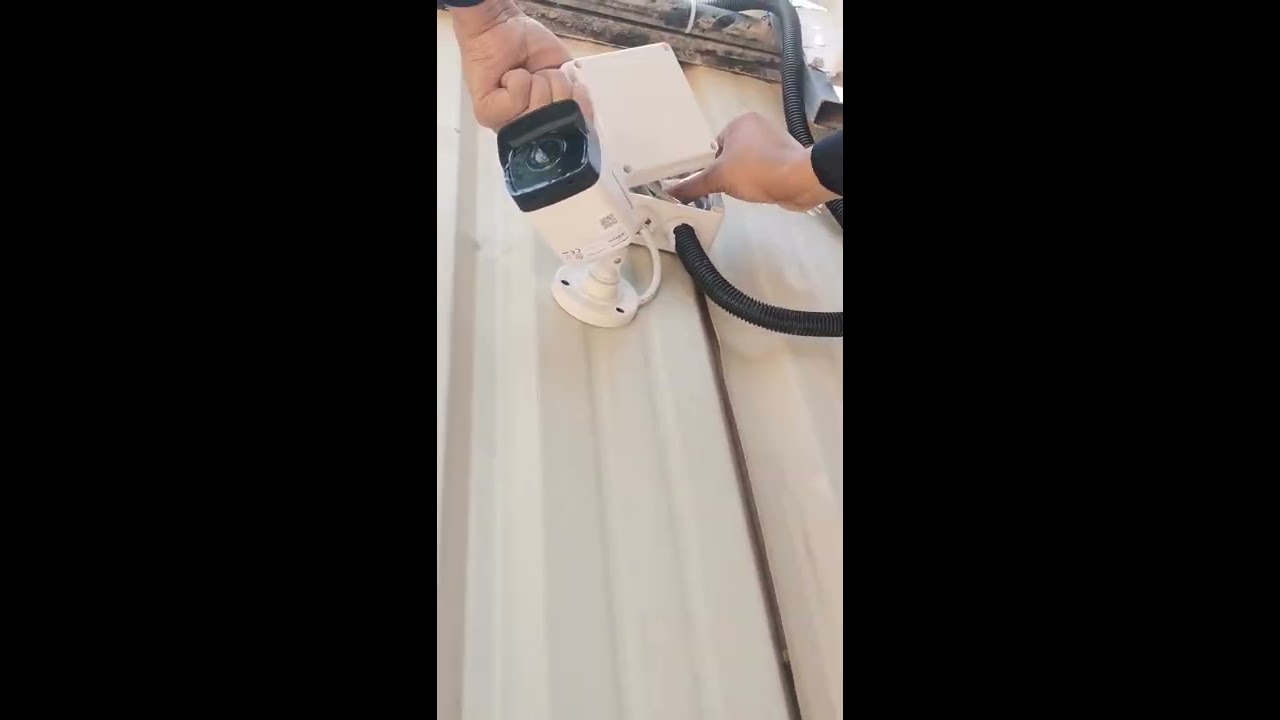
Identify Vulnerable Areas Determine Camera Type Needed Plan Wiring Routes Consider Lighting ConditionsSteps for Effective Security Camera Installation
Choose Optimal Locations: Ensure coverage over entrances and vulnerable spots. Proper Height Placement: Install cameras high enough to avoid tampering but low enough for effective monitoring. Secure Wiring: Protect wires from exposure but ensure accessibility for maintenance. Test Functionality Post-Installation: Confirm all cameras are functional before concluding installation.Security Surveillance Cameras vs Traditional Security Measures
Why Security Surveillance Cameras Are Essential
While traditional measures like guards or locks provide basic protection, they often lack real-time monitoring capabilities that security surveillance cameras offer.
Advantages Over Traditional Methods
- Continuous Monitoring Immediate Alerts Better Evidence Collection Cost-Efficiency Over Time
Developing an Effective Emergency Response Plan
What Constitutes an Emergency Response Plan?
An emergency response plan outlines procedures to follow during various crises such as natural disasters, active shooter situations, or fires.
Key Components of an Emergency Response Plan
Risk Assessment Communication Strategy Roles & Responsibilities Training ProgramsExploring the Connection Between Access Control and Emergency Response Plans
Access control systems are not just about managing who enters a space; they intersect significantly with emergency response plans by providing critical data that can inform actions during crises.
For example:
- During an evacuation, knowing who remains inside a building through access logs can help responders locate any individuals needing assistance quickly. In lockdown situations, access control can restrict entry points automatically when an alert is activated.
This synergy enhances situational awareness and ensures that organizations can react swiftly when every second counts.
How Technology Enhances Both Systems
Integration Technologies Available Today
Modern technology allows seamless integration between access control systems and emergency response frameworks through:
Centralized Management Software Mobile Applications Cloud-Based SolutionsBenefits of Technological Integration
These technologies allow:
- Real-time data sharing between devices Faster decision-making processes Improved incident responses
Training Staff on Both Systems
The Importance of Training Programs
Training staff is crucial for ensuring everyone understands how both access control systems and emergency response plans function together effectively.
Components of Effective Training Programs
Regular Drills Simulation Exercises Review SessionsCase Studies Highlighting Successful Integration
Case Study 1: Corporate Office Implementation
A corporate office implemented an integrated system combining access controls with outdoor security cameras leading to reduced unauthorized entries by 30%.
Key Takeaways:
Enhanced real-time monitoring led to faster responses during emergencies. Employees felt safer knowing there was a reliable system in place.Case Study 2: Educational Institutions
A university adopted advanced access controls alongside comprehensive training programs which resulted in improved student safety during emergencies.
Key Takeaways:
A clear communication strategy ensured rapid dissemination of information during crises. Students were more informed about their roles in emergencies due to extensive training sessions.FAQs About Access Control and Emergency Response Plans
FAQ 1: What is the primary purpose of access control systems?
Access control systems primarily aim to regulate entry into specific areas within properties based on user permissions.
FAQ 2: How do outdoor security cameras enhance safety?
Outdoor security cameras provide continuous surveillance which helps deter criminal activities while also helping document incidents if they occur.
FAQ 3: Can emergency response plans be customized?
Absolutely! Each organization should tailor its emergency response plan based on its unique environment, risks involved, and personnel structure.
FAQ 4: How often should staff undergo training regarding these systems?
Regular training sessions should occur at least once a year; however, more frequent drills may be warranted depending on specific circumstances or incidents experienced by the organization.
FAQ 5: What happens if there's a power outage affecting these systems?
Most modern access control systems come equipped with battery backups; however, having contingency plans established beforehand is prudent for maintaining functionality during outages.
FAQ 6: Is integrating these technologies expensive?
While there’s upfront investment required for quality equipment installation (like security camera installation), long-term benefits typically outweigh initial costs through enhanced safety protocols reducing losses over time!
Conclusion
In closing our https://nyetechnicalservices.com/structured-cabling/ exploration into "Exploring the Connection Between Access Control and Emergency Response Plans," it's evident that merging these two components creates a robust framework for any organization's safety strategy—be it commercial entities or educational institutions alike! By implementing thoughtful designs alongside rigorous training programs utilizing advanced technologies such as outdoor security cameras integrated seamlessly into existing infrastructure—businesses are better poised than ever before against unforeseen threats!
With evolving challenges facing society today—it’s vital not only to adopt best practices but also continually refine them while fostering partnerships across departments—ensuring everyone plays their part effectively when it comes down protecting what matters most!